Discover Education Beyond Borders

Choosing to study abroad involves important academic, financial and personal decisions. Understanding your options and preparing early can help you make more informed choices about your international education journey.

Skill Development Examination Preparation Higher Education Global Career Opportunities
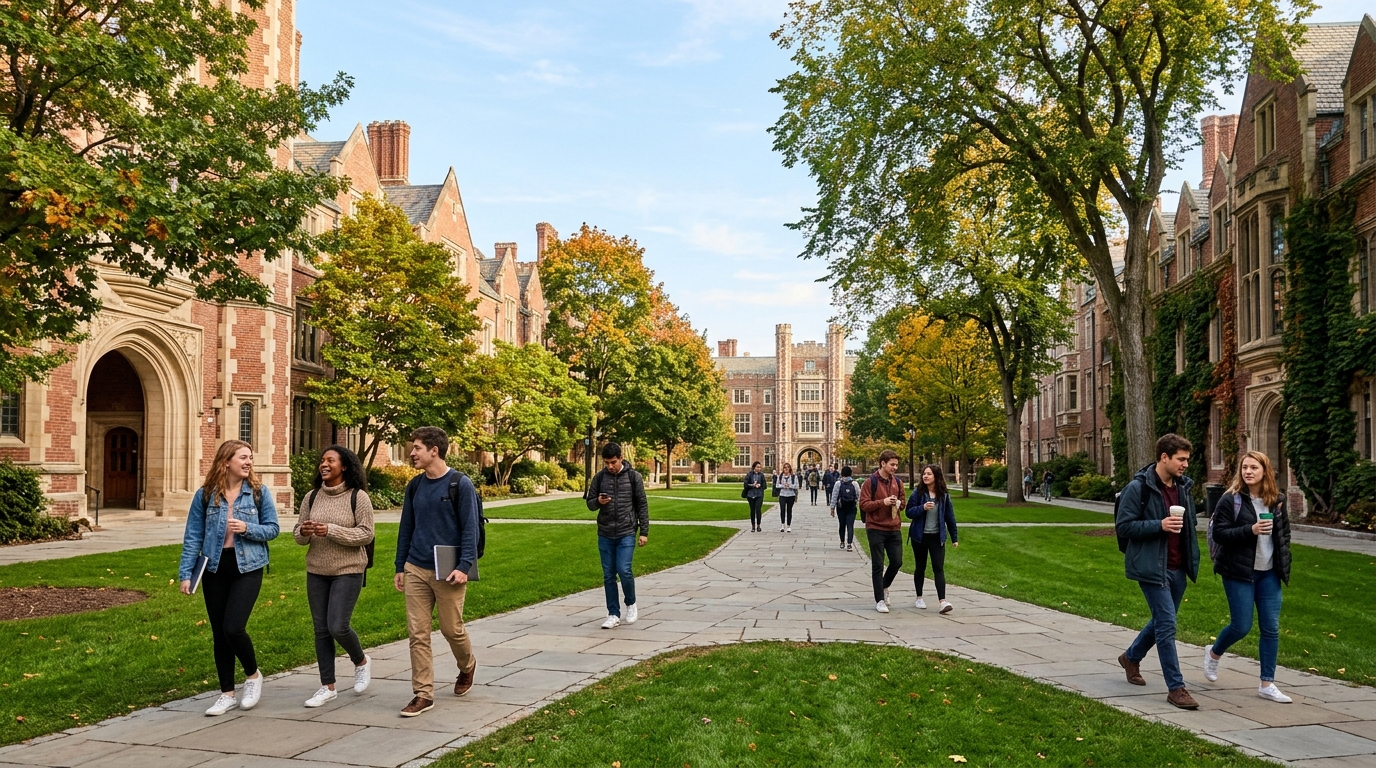
International university campus quad with students walking between academic buildings

Choosing a Destination That Fits Your Goals

A well-matched academic destination balances your educational ambitions with practical academic, linguistic, and financial planning.

Academic & Career Fit

Academic Interests & Career Objectives

Different countries structure degrees differently—from broad, flexible credit systems to specialized one-year master's degrees or applied polytechnic tracks. Aligning program structure with your long-term field helps you choose coursework that builds relevant capability.

Admissions Readiness

University & Language Requirements

Depending on the chosen country, university, and academic program, applicants may need to fulfill distinct entrance or English language proficiency requirements:

  • GRE: Graduate-level admission requirements
  • GMAT: MBA and business school admission requirements
  • SAT: Undergraduate admission requirements
  • IELTS: English language proficiency requirements
  • TOEFL: English language proficiency requirements
Research & Practical Planning

Financial, Research & Personal Factors

Evaluate total cost of attendance, funding options verified directly through official university portals, laboratory or faculty research alignment, climate, campus size, and living preferences before finalizing your shortlist.

Seven Criteria to Weigh Before Applying

  • Academic interests: Curriculum depth, electives, and project or thesis tracks.
  • Career objectives: Industry alignment, applied internships, and professional recognition.
  • University requirements: Degree equivalency, prerequisite subjects, and entrance test policies.
  • Financial considerations: Program length, living expenses, and official scholarship eligibility.

Aligning Study Environment With Personal Needs

  • Language requirements: English-taught instruction, bilingual options, or local language expectations.
  • Research opportunities: Faculty specialization, lab infrastructure, and funded research centers.
  • Personal preferences: Urban versus campus-town setting, cultural environment, and support networks.

International Higher Education Landscapes

Each country organizes higher education around distinct institutional models, degree durations, and quality frameworks.

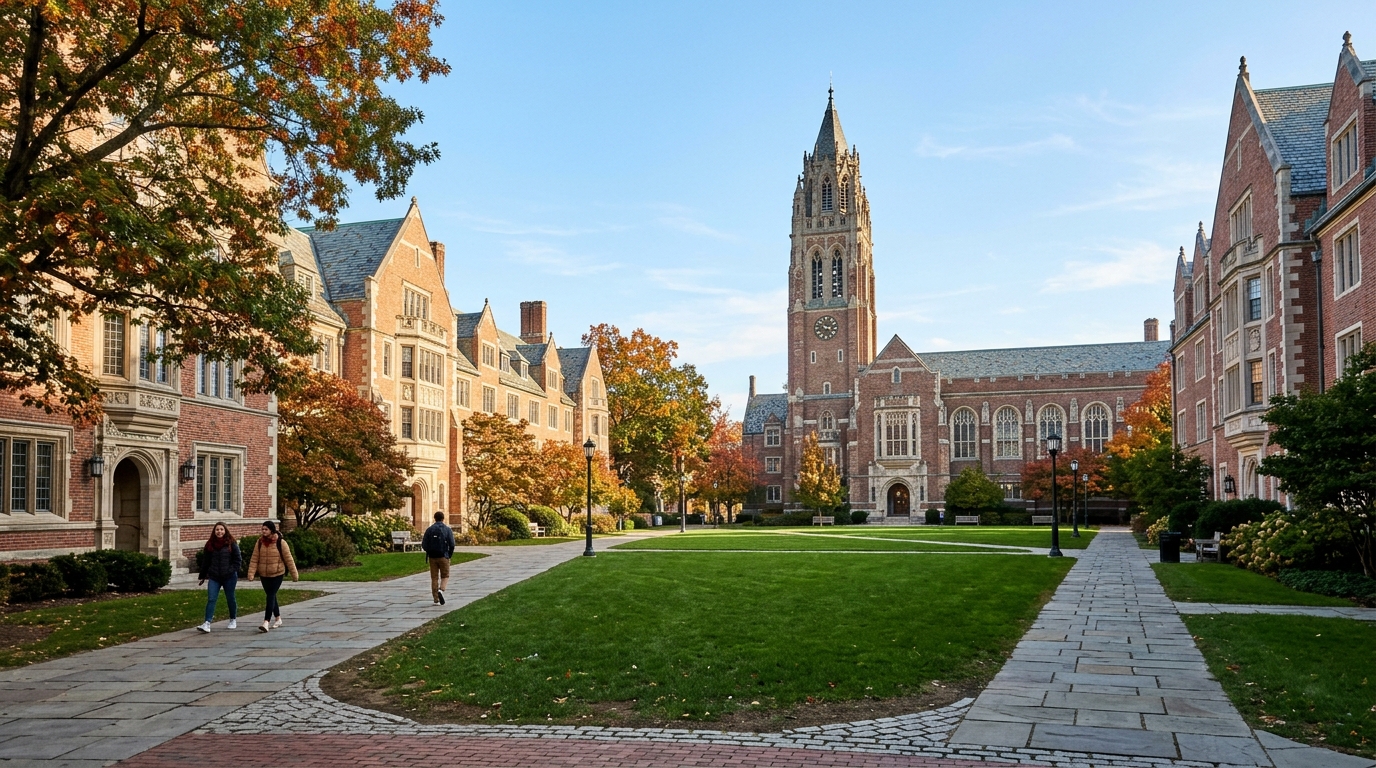
Classic American brick and limestone university campus architecture

United States

A decentralized network of nearly 4,000 accredited institutions encompassing public state universities, private research powerhouses, liberal arts colleges, and two-year community colleges.

  • Modular credit framework supporting flexible majors, minors, and interdisciplinary electives.
  • Extensive laboratory, assistantship, and graduate research infrastructure across STEM and humanities.
  • Admissions commonly involve holistic review of transcripts, GRE/GMAT where requested, and English proficiency.
Official Portal: EducationUSA (U.S. Dept. of State) →
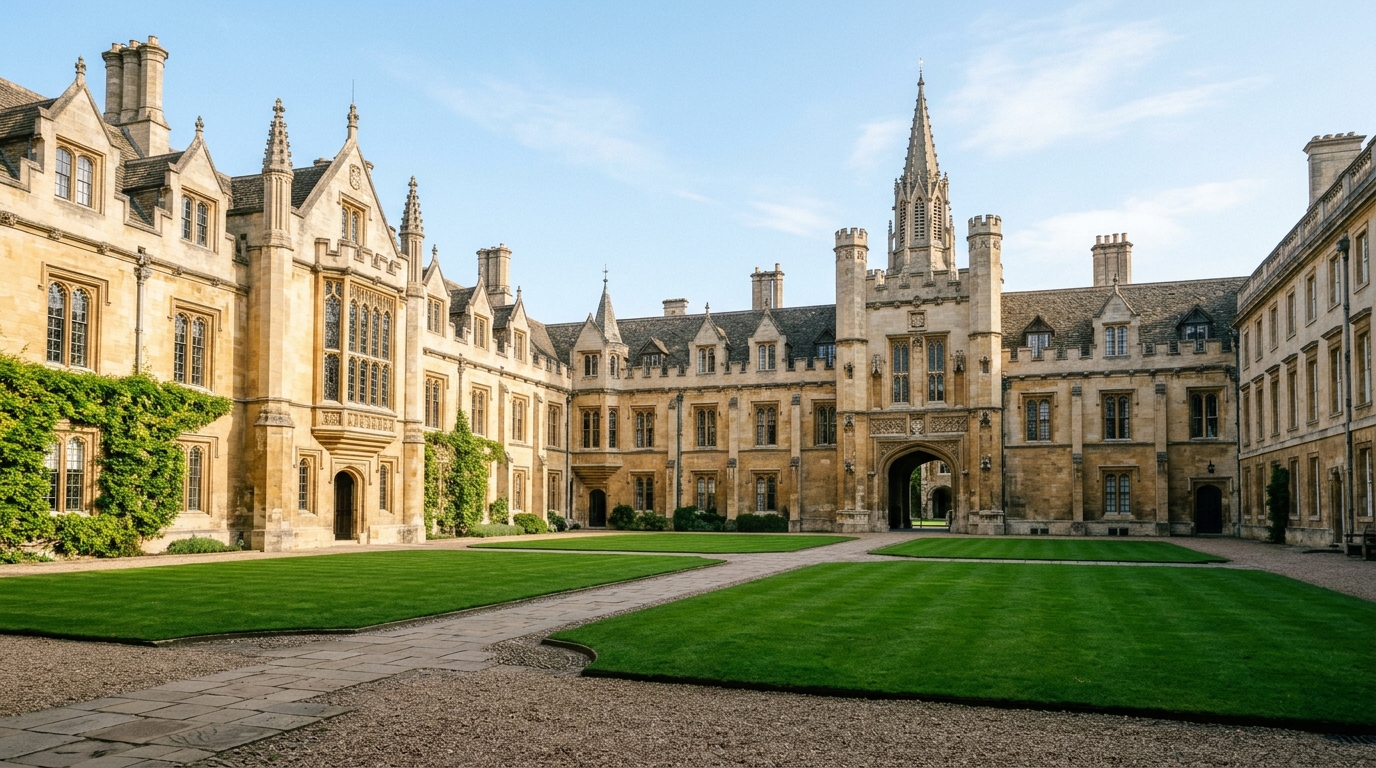
Historic British university stone quadrangle and arched walkways

United Kingdom

Recognized for centuries-old academic traditions backed by national quality assurance, where degree-awarding bodies offer focused, subject-intensive study tracks.

  • Undergraduate honors degrees typically run 3 years (in England, Wales, and Northern Ireland), and taught master's programs frequently run 1 year.
  • Early academic specialization allows students to dive directly into their chosen discipline.
  • Centralized undergraduate admissions (UCAS) and direct university postgraduate applications.
Official Portal: Study UK (British Council) →
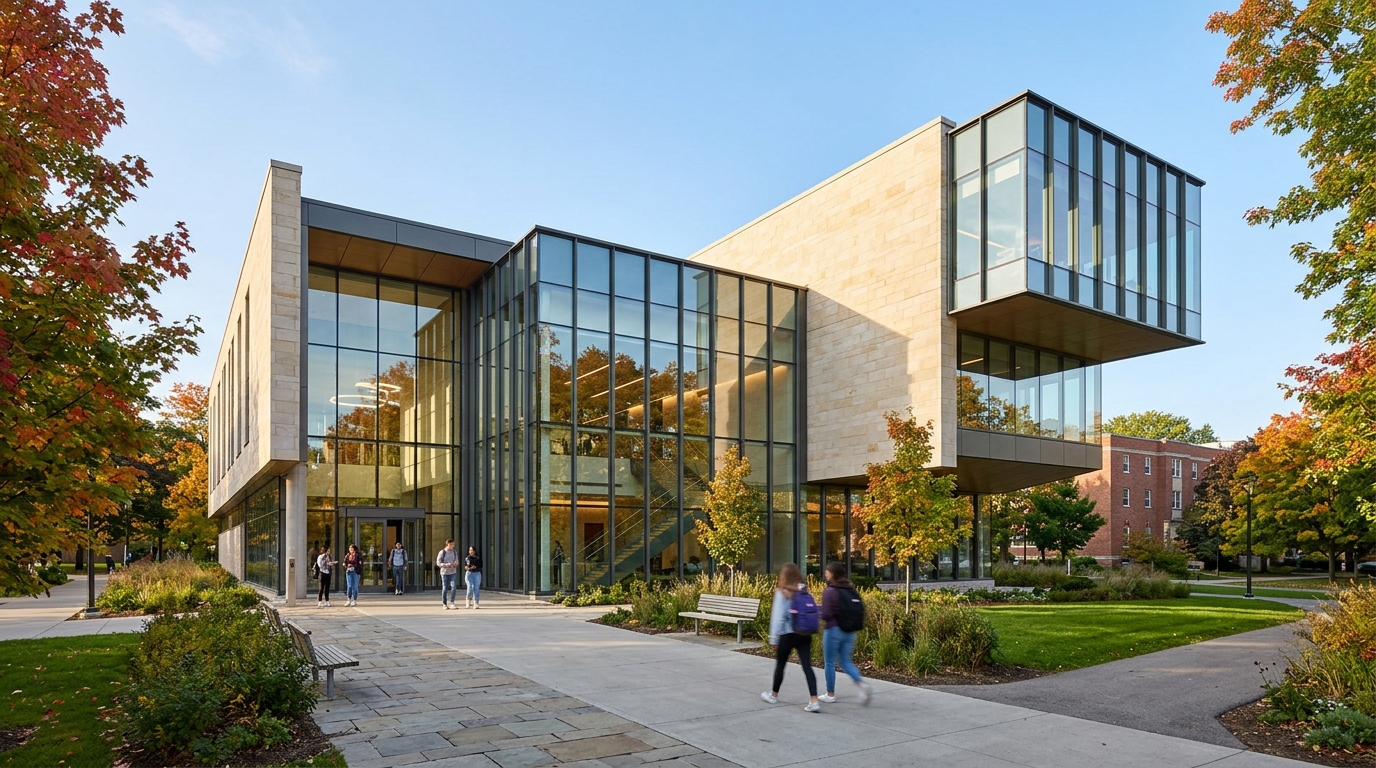
Modern Canadian university glass and limestone campus surrounded by maple trees

Canada

Provincially regulated public post-secondary system spanning research universities and career-focused colleges or institutes of technology across English and bilingual communities.

  • Distinct institutional tracks: degree-granting universities for academic/research depth and colleges for applied diplomas and certificates.
  • Co-operative (co-op) education and embedded internships integrate academic study with workplace exposure.
  • Designated Learning Institution (DLI) framework governs international admissions and study permits.
Official Portal: EduCanada (Government of Canada) →
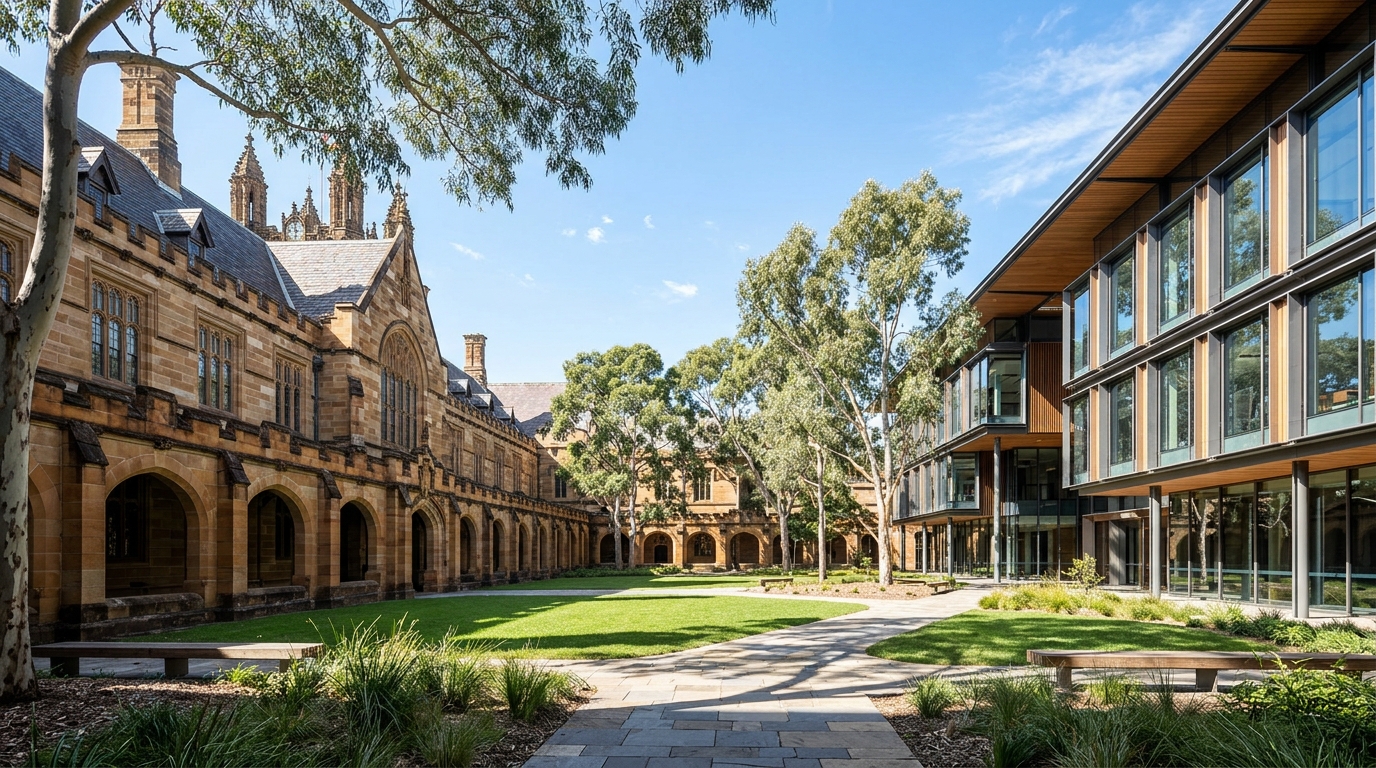
Sunlit Australian university courtyard with sandstone and modern lecture halls

Australia

Nationally regulated higher education and vocational framework overseen by TEQSA and the ESOS legislative framework, designed to safeguard academic standards and student protections.

  • Clear separation and articulation between university degrees (Bachelor, Master, Doctoral) and VET/TAFE practical qualifications.
  • Structured transition pathways including foundation studies and English Language Intensive Courses (ELICOS).
  • CRICOS registry lists all government-approved courses open to international students.
Official Portal: Study Australia (Australian Government) →
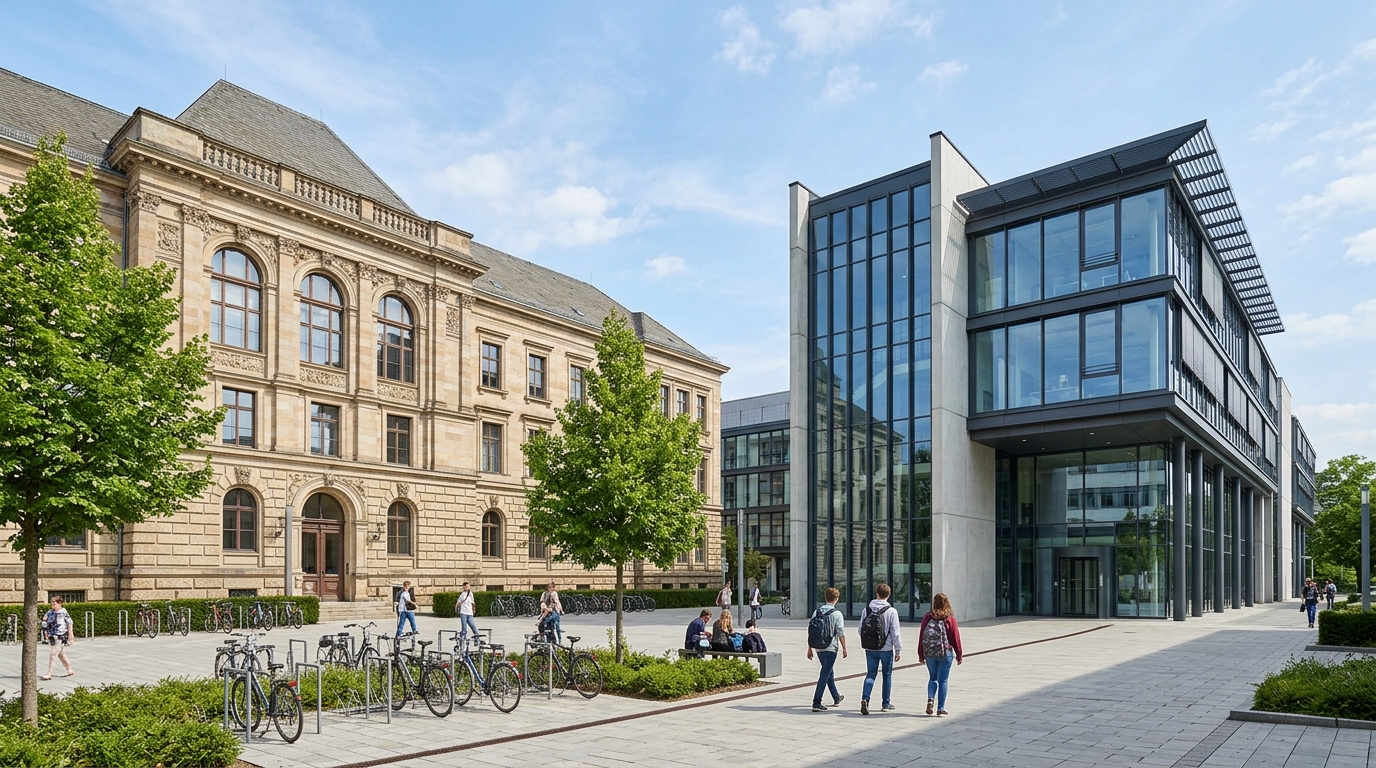
German university engineering and research campus courtyard

Germany

Federal and state-regulated European system celebrated for pairing rigorous theoretical scholarship with applied engineering, industrial research, and technical innovation.

  • Distinct institutional types: Research Universities (Universitäten), Universities of Applied Sciences (Fachhochschulen), and Art/Music academies.
  • Growing portfolio of English-taught graduate programs alongside German-medium undergraduate tracks.
  • Centralized Higher Education Compass helps verify degree prerequisites, semester contributions, and local rules.
Official Portal: Study in Germany (DAAD) →
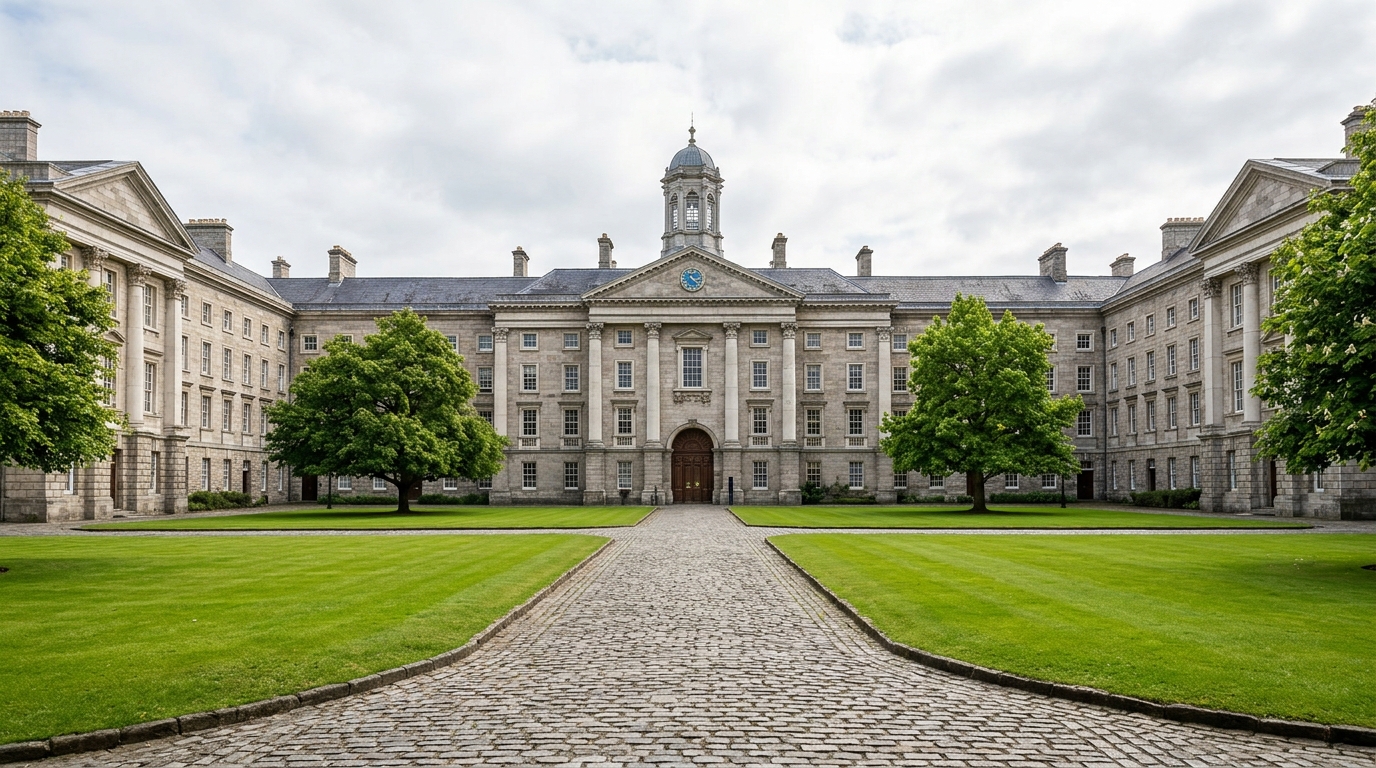
Historic Irish limestone university quadrangle and manicured lawns

Ireland

English-speaking European Union higher education ecosystem governed by Quality and Qualifications Ireland (QQI) under the National Framework of Qualifications (NFQ).

  • Includes traditional research universities, Technological Universities (TUs), and specialist colleges aligned from NFQ Levels 6 to 10.
  • Close academic-industry collaboration in software, data systems, pharmaceuticals, and life sciences.
  • Transparent national degree levels support international recognition across Europe and beyond.
Official Portal: Education in Ireland →
Verification Reminder: Tuition structures, scholarship terms, financial-proof thresholds, and immigration or visa policies are determined solely by official government agencies and individual institutions and change periodically. Always verify current regulations directly on the official destination portals linked above.

A Six-Stage Student Journey

Moving step by step turns complex international admissions into clear, manageable milestones.

1

Discover

Understand your interests, qualifications and academic objectives.

2

Evaluate

Research countries, universities and suitable academic programs.

3

Prepare

Understand entrance examinations, English proficiency requirements and application prerequisites.

4

Apply

Organize academic documents and prepare university applications.

5

Plan

Understand financial requirements, accommodation and applicable visa procedures.

6

Begin

Prepare for the academic and cultural transition to an international education environment.

Start With a Focused Conversation

Not sure where to begin? Connect with our team to discuss your academic interests and explore suitable next steps.